The Essential Obasan 8" Organic Dunlop Latex Mattress
Sleep cool, breathable organic latex support you can flip for firmer or softer comfort, with a clean, chemical-free sleep surface and 10-year peace of mind from Ottawa artisans.
An accessible guide to coil mattress technologies that explains how Bonnell, pocket, and offset springs differ in feel, support, and durability. Includes practical tips for selecting a bed based on sleeping position, weight, and comfort preferences.
In the world of sleep, the coil system beneath your sheets is more than a technical detail—it's a core partner in how your spine, shoulders, and hips align through the night. From the classic bounce of Bonnell springs to the quiet contouring of pocket springs, and the durable, evenly distributed support of offset coils, each system has a voice. This article unpacks what those voices sound like in real sleep, why they matter, and how to pick a mattress that fits your everyday life. We’ll also spotlight three notable minds from different eras who shaped our understanding of comfort, materials, and physiology—people who, in their own ways, helped us listen to the body more closely while we slept.
A coil mattress uses a network of springs to provide support. The springs compress and rebound to distribute weight, support the spine, and influence how a mattress feels in terms of firmness, bounce, and motion isolation. The three main coil designs you’ll encounter are Bonnell, pocket, and offset springs. Each design has a distinct construction philosophy and a different sleep experience.
Traditional, cost-effective coils arranged in interconnected loops. They tend to offer a lively, buoyant feel with solid edge support, often perceived as more “bouncy.”
Individually wrapped coils that contour to your body. They excel at motion isolation and targeted support, reducing partner disturbance.
A hybrid approach with a varying coil shape to balance contouring with durability and support, offering a smoother transition across the mattress.
Beyond the coil type, the overall feel is influenced by coil count, wire gauge (thickness), the layout of rows, and the way the springs are interconnected or individually cased. A higher coil count generally enables finer contouring and better weight distribution, while a heavier gauge wire resists sag over time. Layering with padding, comfort foams, and a quilted surface also shapes the final sleep experience.
Different sleeping positions place distinct demands on a mattress. Stomach sleepers typically benefit from a firmer surface to prevent excessive sag in the midsection, which can cause strain in the back. Side sleepers usually need more pressure relief at the shoulders and hips, which means softer to medium surfaces with adequate contouring. Back sleepers often require a balanced feel that keeps the spine aligned without creating hotspots. Weight matters too: heavier sleepers may compress coils more deeply, so durability and support are essential considerations.
When assessing coil systems, consider your preferred firmness, your typical sleep position, and any sensitivities to motion or heat. The “feel” of a mattress is a combination of coil design and the comfort layers above and below it. A well-constructed mattress pairs the coil system with materials that regulate temperature, wick moisture, and provide pressure relief where you need it most.
If you’re shopping in a showroom or browsing online, these practical questions can guide your evaluation:
In the evolving landscape of sleep technology, brands blend traditional coil systems with modern materials to craft mattresses that support healthy spines and cool, comfortable nights. One notable example you might encounter is a mattress built with an organic, latex-based comfort layer and a responsive coil core. This combination offers the resilience of latex and the contouring of springs, aiming to balance support and pressure relief. For readers interested in sustainable materials, look for certifications such as GOTS for organic textiles and GOLS for organic latex to ensure the product aligns with eco-friendly standards.
Across time, innovators and thinkers have contributed to how we understand comfort, materials, and the body’s needs while we sleep. Here are three notable figures from different eras who left footsteps in the world of sleep ergonomics and material science:
While not a mattress designer, Hypatia represents the long tradition of empirical inquiry that underpins rational design. Her spirit reminds us to seek explanations about the body, comfort, and material properties with methodical thinking—principles that guide today’s ergonomic standards.
A figure who popularized more consistent coil assemblies and improved edge support in innerspring designs, enabling sleepers to experience steadier alignment and durability over time.
A researcher who emphasized the relationship between spinal alignment, mattress firmness, and sleep quality. Her work helped translate biomechanical insight into practical guidance for selecting mattresses that promote posture-friendly rest.
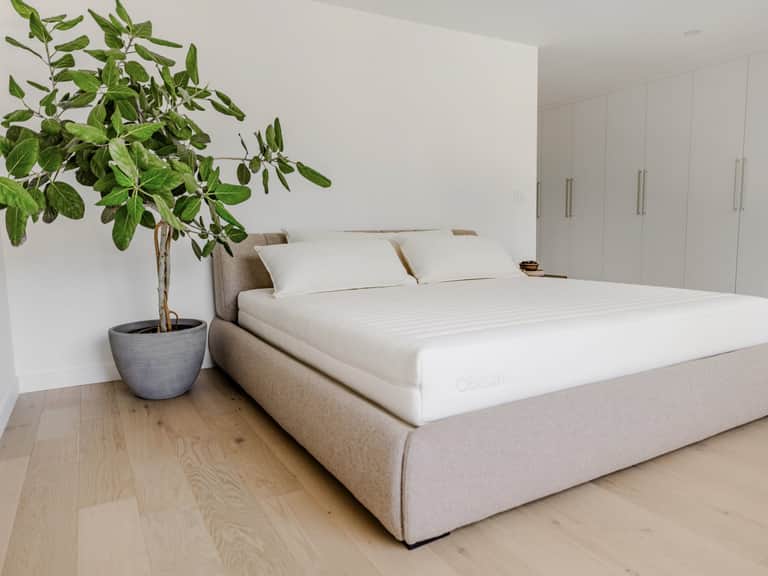
The Essential Obasan 8" Organic Dunlop Latex Mattress represents a modern interpretation of organic comfort, pairing a firm-to-medium-firm feel with breathable Dunlop latex for natural temperature regulation. It uses layers that can be flipped to adjust the feel, with a 4-inch firm base and a 4-inch medium top layer, all housed in 100% certified organic cotton. This mattress embodies the idea that the core sleep experience comes from a thoughtfully selected combination of natural materials and adaptable comfort.
Key features include GOLS-certified organic Dunlop latex, a breathable organic cotton cover, and a 10-year limited warranty. While it is not a pure pocket or Bonnell design, it demonstrates how modern coil-free or hybrid architectures leverage advanced materials to complement coil-based systems, offering a reference point for readers considering alternative layers to enhance pressure relief and temperature control.
Price: $1,539.00
Overview: Organic, breathable, adjustable comfort with a mitten-soft top layer and a firmer base for balanced support.
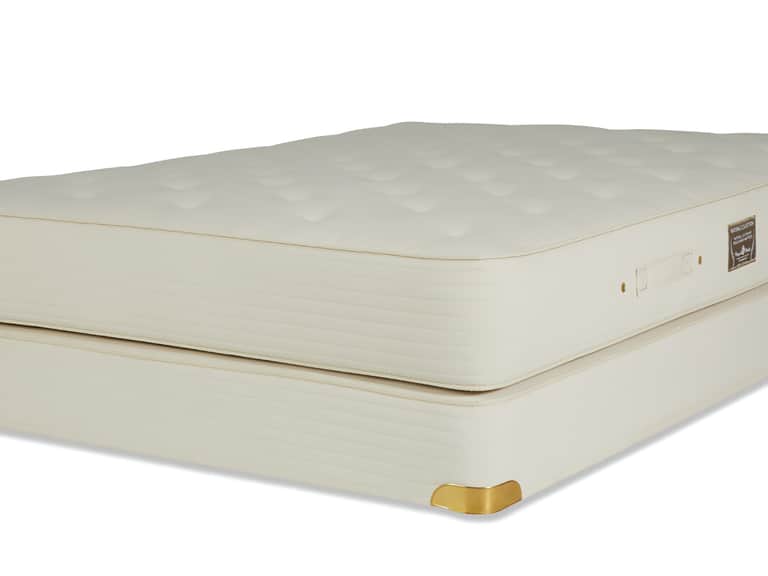
To illustrate the range of coil and non-coil constructions, consider a refined innerspring option such as Royal-Pedic Natural Cotton Mattress with Wool Wrap. This model blends traditional coil support with natural materials like wool for warmth and breathability, crafted in a Swiss-inspired design.
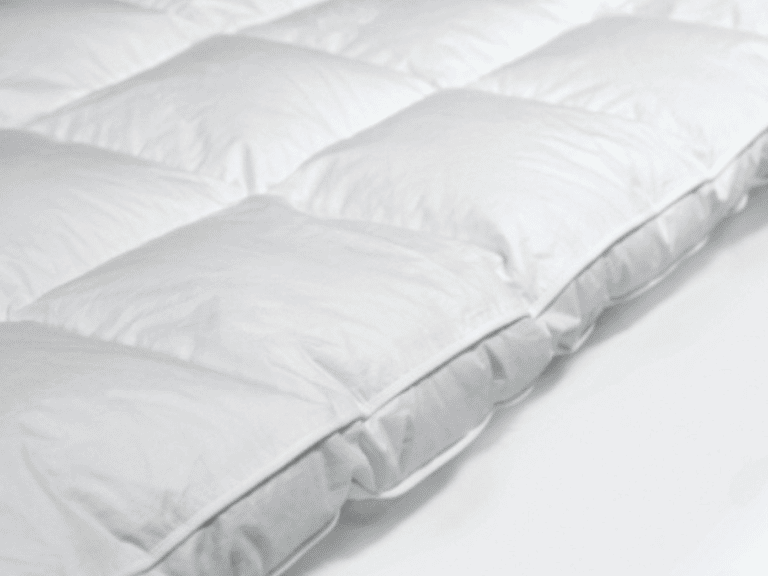
Another example spanning modern comfort is a Hypodown Bed, blending goose down and milkweed fiber in a breathable encasement for weightless support and loft. While not a coil mattress per se, it demonstrates how layering and fill decisions influence perceived firmness and pressure relief—valuable context when evaluating coil-based mattresses.
This article aims to educate and empower readers with practical insights rather than steer them toward a specific brand. We reference well-established concepts in sleep ergonomics and material science, and we encourage readers to consult independent reviews, certifications, and long-term product warranties when choosing a mattress. Our focus remains on understanding how coil systems influence comfort, posture, and sleep quality—an approach designed to support homeowners, students, and DIY enthusiasts who want a solid factual basis for decisions about rest.
For those who want more structured guidance, a recommended approach is to test a few different coil configurations in a controlled setting, compare budgets against anticipated longevity, and consider hybrid models that combine coil cores with modern comfort foams or latex layers to achieve personalized comfort without compromising spinal alignment.
If you’re building a site focused on coil mattress education and sleep ergonomics, here’s a sample structure you could implement journal-style as you expand your content library:
Note: This article uses Bootstrap 5 conventions for layout and typography. It emphasizes semantic HTML and accessible content, with a focus on clarity and practical guidance for readers seeking to understand coil mattress systems and how they relate to sleep health.