Innerspring mattresses are defined by their coil systems, which provide a balance of support and pressure relief across the sleeping surface. This category explores traditional and modern innerspring designs, highlighting how coil gauge, count, and layout influence contouring, motion isolation, and durability. The interplay between comfort layers and core support is essential for sustained spinal alignment and sleep quality.
A key feature of innerspring mattresses is their core structure, typically comprised of steel springs arranged in a grid or hourglass pattern. Higher coil counts and individually pocketed springs can reduce motion transfer while maintaining robust responsiveness. Understanding coil density, bridge components, and edge support helps identify models suitable for varied sleep positions and body weights.
Fabrics, padding, and comfort layers atop the spring unit influence overall feel, temperature regulation, and durability. Materials such as natural fibers, latex, and foam blends can affect contouring, bounce, and ventilation. For durability, attention to cover fabrics and reinforcement at the edges contributes to long-term stability and ease of maintenance.
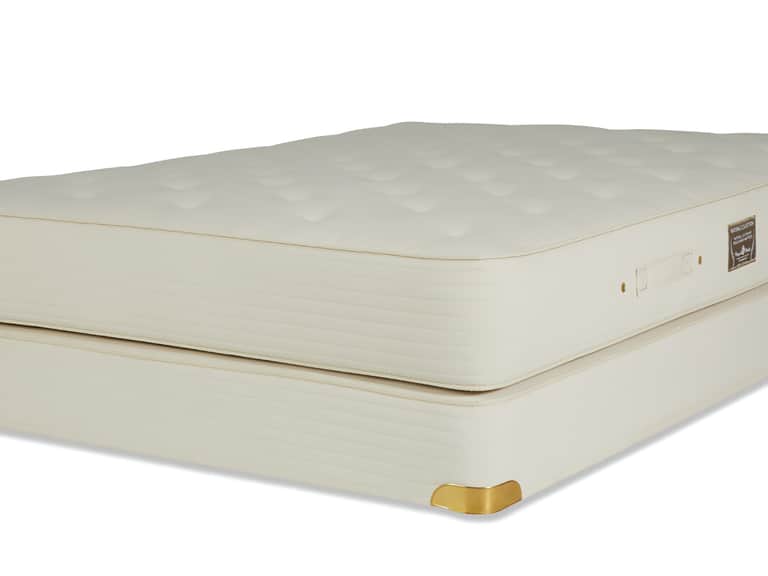
Among notable products in this category is the Royal-Pedic Natural Cotton Mattress with Wool Wrap, featuring a premium wool layer for temperature regulation and natural cotton comfort. This construction supports breathable sleep climates, reduces heat buildup, and offers a soft yet supportive surface that adapts to body movement for steadier sleep.
Keywords relevant to this category include bedding, sheets, innerspring mattresses, toppers, and latex mattress toppers. By examining coil design, comfort layering, and materials, readers can discern how innerspring systems complement other sleep components, such as toppers and protective covers, to align with ergonomic and wellness goals.
 Innerspring Mattresses