Mattress construction · Sleep comfort
Inside Aireloom Mattresses: Layers, Support, and What to Consider
A mattress can look like a single, polished surface, but the experience of sleeping on it comes from a stack of materials working together. Aireloom mattresses vary by model, so the useful question is not simply whether the name sounds familiar or the top looks plush. It’s what sits beneath that surface, how the support system responds, and whether the complete construction suits your body, sleep habits, and bed setup.
Think of this as a practical guide to reading the layers. We’ll look at comfort materials, support, firmness, pressure relief, motion, temperature, and the everyday details that can be easy to miss during a quick showroom visit. The goal is not to declare one design best for everyone, but to help you compare a specific Aireloom mattress with a clear head and a better set of questions.
Start with the model, not the label
“Aireloom mattress” describes a brand, not one universal recipe. The materials, layer order, firmness options, and support details can differ between collections and individual models. Even two mattresses with similar names or a similarly plush-looking top may feel different once you lie down. A general brand description can introduce the idea; the specification sheet for the exact model is what helps you understand what you are considering.
That distinction matters because mattress names and showroom language can make construction sound more consistent than it is. Words such as “luxury,” “plush,” and “supportive” describe impressions, not a complete bill of materials. Before comparing prices or deciding that one version must suit you better, confirm the model name and size, then review its current construction details. If a label or online listing leaves a material unclear, ask the retailer to clarify it in writing.
A helpful first pass is to identify the broad parts of the mattress:
- The cover and quilting: the top fabric and any cushioning stitched or layered near it.
- Comfort layers: the materials closest to the sleeper, which influence initial softness, contouring, and pressure relief.
- Transition layers: layers that help bridge the softer surface and firmer support beneath it, when present.
- The support core: the deeper structure intended to carry body weight and provide the mattress’s foundation of support.
- The base and edge details: features that may affect stability, usable sleeping area, and compatibility with the bed frame.
Not every model will use the same types of layers or describe them in the same way. Treat this list as a comparison framework—not a claim about the construction of every Aireloom mattress.
What comfort layers actually do
The comfort layers shape the first impression when you lie down. They can cushion shoulders and hips, influence how much the surface contours around the body, and affect whether the mattress feels buoyant, gently cradling, or more firmly responsive. But “comfort layer” is a functional description, not the name of one particular material. To compare models fairly, check what materials are listed, how they are arranged, and how thick or substantial the comfort system is, if that information is provided.
Quilting and padding at the surface can make a mattress feel inviting right away. That first soft impression is meaningful, but it does not tell the whole story. A generously cushioned surface may feel different after a few minutes as the sleeper settles into the layers. Someone who likes a pronounced, cushioned top may find that appealing; someone who prefers a flatter, more direct feel may want to compare it with a less padded option.
It is also useful to distinguish softness from pressure relief. Softness is a sensation at the surface. Pressure relief is about how effectively the sleeping surface distributes contact and accommodates the body’s shape. A very soft-feeling mattress is not automatically a good match for every sleeper, and a firmer-feeling mattress is not automatically uncomfortable. The right balance depends on body shape, sleeping position, personal preference, and how the whole system responds together.
When you test an Aireloom model, spend time in your usual sleeping position. Notice whether your shoulder or hip feels sharply compressed, whether your waist feels supported, and whether the surface lets you settle naturally. If you are comparing two versions, move between them more than once and give each a few minutes. The difference can be easier to judge when you focus on the same body areas each time rather than relying on a quick first impression.
Support is deeper than firmness
Firmness is the overall sensation people often describe as soft, medium, or firm. Support is a broader idea: how well the mattress accommodates and holds the body in a comfortable position. The two are related, but they are not interchangeable. A mattress can feel plush at the top while still having a deeper support system designed to limit excessive sinking. Likewise, a firm surface does not guarantee that a particular sleeper’s body will feel evenly supported.
That is why it helps to look beyond a single firmness label. Ask what the support core is made of and how the manufacturer describes its construction. If the model uses an innerspring or another structured core, learn what is specified about that system rather than assuming every mattress in a collection uses the same design. Details such as coil configuration, zoning, or reinforcement should be treated as model-specific: verify them on the product information for the exact mattress you are evaluating.
A comfortable position is one in which the body feels neither forced into a pronounced curve nor allowed to sink in a way that feels unstable. Side sleepers commonly pay close attention to shoulder and hip cushioning. Back sleepers may notice how the lower back and hips settle. Stomach sleepers often prefer to avoid excessive sinking around the midsection. These are useful starting points, not rigid rules: people’s bodies, preferences, and sleep positions vary.
If you share the bed, there are two sets of preferences to consider. One person may love a soft, enveloping feel while the other prefers a firmer, more buoyant surface. Test together when possible, paying attention not only to each person’s comfort but also to how movement travels across the bed. Whether motion is noticeable can depend on the mattress’s complete construction, the sleepers, and the base beneath it.
Firmness and feel: words are only the beginning
Mattress firmness descriptions are useful shorthand, but they are not a universal measuring scale. A “medium” model from one collection may not feel identical to a “medium” from another. Body weight, build, sleep position, and even the mattress foundation can change the way a bed feels. For that reason, a firmness label should help narrow a comparison—not end it.
Try to describe your preference in sensory terms. Do you like to feel cushioned at the surface, or do you want to lie more on top of the mattress? Do you enjoy a slow, contouring response, or do you prefer a springier feel that makes changing position easier? Do you want the bed to feel substantial and steady when you sit near the edge? These observations are more actionable than a vague sense that you “like soft beds.”
If you can only test a mattress briefly, use a simple routine. Lie down in your normal position, relax your shoulders, and notice pressure at common contact points. Roll onto your back or side if those are positions you use at home. Then sit up and reposition. The point is not to simulate a full night in a few minutes; it is to collect consistent clues that you can compare across models.
Also ask about the retailer’s trial, return, exchange, and warranty terms before making a decision. Policies can differ by seller and purchase, and details such as fees, time limits, and eligibility matter. Keep the paperwork and confirm the care requirements. A mattress is a significant household purchase, and the terms surrounding it are part of the practical comparison.
Temperature, motion, and the feel of a shared bed
Sleeping temperature is influenced by more than the mattress. Room conditions, bedding, personal physiology, and the materials close to the body all play a part. A mattress’s cover and comfort layers can contribute to the surface sensation, but claims about cooling or temperature regulation should be checked against the specific model’s published details. A cool-to-the-touch fabric at first contact does not necessarily mean a sleeper will remain cool through the night.
For a more useful comparison, consider the entire sleep setup. Thick toppers, heavy comforters, and warm sheets can change the experience of a mattress. Breathable sheets may help create a lighter-feeling bed, while a mattress protector can add another layer between the sleeper and the surface. If you are comparing models, test them with similar bedding conditions where possible, and ask whether the mattress is designed to be used with a protector or other accessories.
Motion is another consideration for couples, restless sleepers, and anyone who shares a room with a light sleeper. Some constructions absorb or limit movement differently from others, but a feature description alone cannot tell you exactly how it will feel in your home. If you share the bed, try lying down while the other person changes position. Notice whether the movement feels distracting and whether the surface remains comfortable for both sleepers.
Edge feel can matter in ordinary routines, too. People may sit on the bed to get dressed, use the full width of the mattress, or sleep close to the side. Ask what the manufacturer says about edge construction on the model under consideration, then test the perimeter if you can. A mattress’s edge sensation is separate from its center feel, and it may also depend on the supporting foundation.
Make the bed frame part of the comparison
A mattress does not work in isolation. Its foundation or bed frame needs to be compatible with its design and requirements. Before arranging delivery, check the manufacturer’s guidance for the exact model and confirm what type of support is acceptable. The spacing and structure of a platform, slatted base, adjustable foundation, or other frame may be relevant. Do not assume that a frame suitable for one mattress automatically meets the requirements for another.
Measure the bedroom and the route into it, not just the available space beside the bed. Confirm the mattress size, room clearance, doorways, stairs, and any narrow turns on the delivery path. If the bed will sit on an existing frame, check its condition and dimensions. A foundation that is damaged, uneven, or incompatible can undermine the experience of a new mattress and may affect the terms of a warranty.
Height is another practical detail. The mattress profile combined with the foundation determines how high the bed sits, which can influence ease of getting in and out and how sheets fit. If you use a thick topper or a protective encasement, account for that added depth when choosing fitted sheets. A well-made sleep setup is not only about a comfortable surface; it is also about a stable, usable arrangement that fits your room.
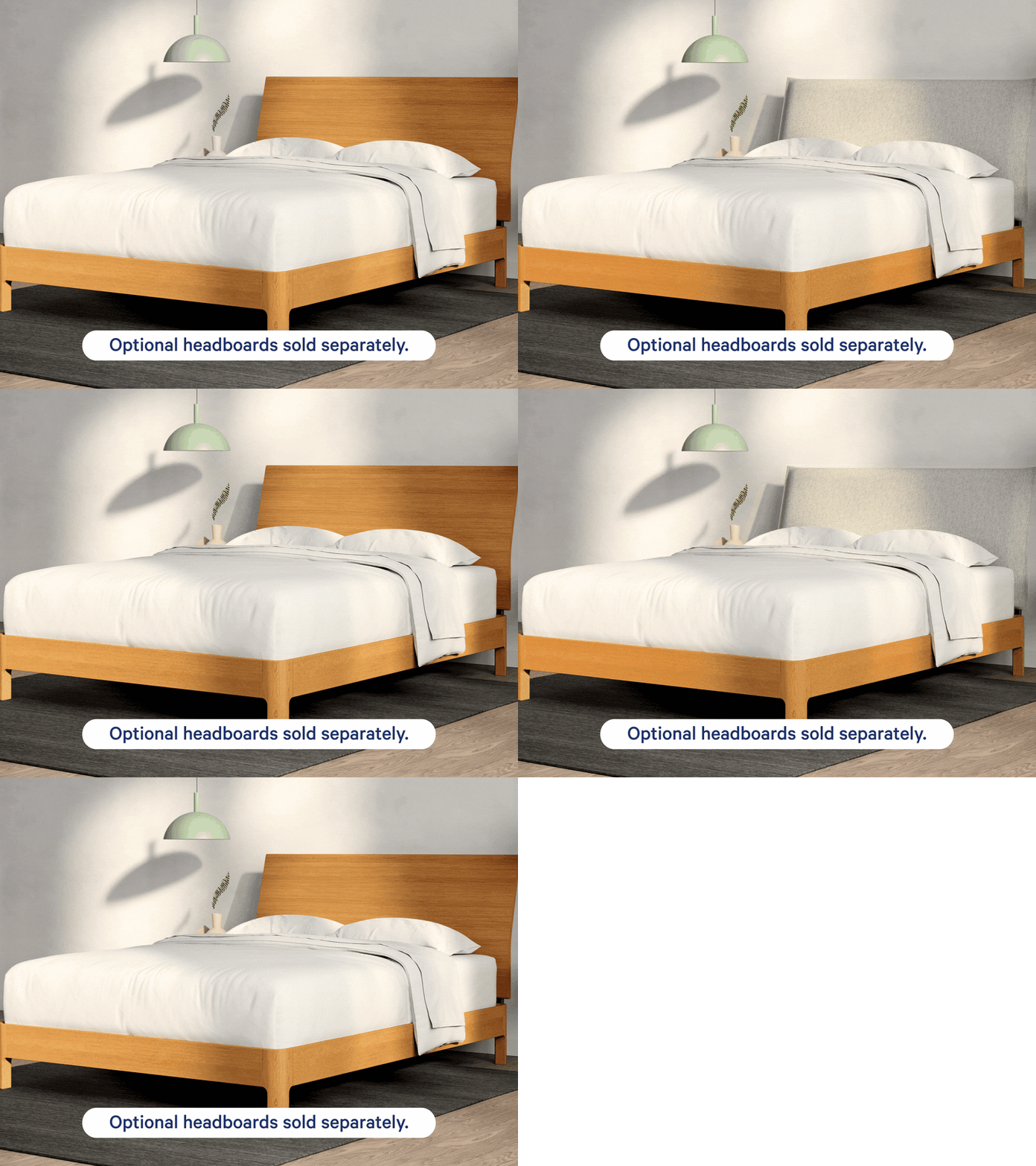
For shoppers comparing mattress and frame combinations, a sturdy, appropriately sized base is worth considering. For example, the Repose Bed Frame is described as a solid-construction frame made with sustainably sourced wood and built to support a Casper mattress. Because that specification names a particular mattress, verify compatibility with any Aireloom model directly with the mattress manufacturer and the frame retailer before pairing them.
A clear checklist for comparing Aireloom models
When the choices start to blur together, write down the details for each exact model. Keeping the notes specific makes it easier to compare construction instead of relying on a showroom’s broad descriptions.
- Exact model and collection: record the complete name and the size you are considering.
- Comfort materials: note the listed surface, quilting, and comfort-layer materials, including any details about their order or thickness.
- Support system: identify what the manufacturer specifies about the core and any model-specific support features.
- Firmness and sensation: capture the official firmness description, then add your own notes about cushioning, contouring, and ease of movement.
- Your sleep position: test the positions you actually use and pay attention to pressure and stability.
- Shared-bed needs: assess movement, edge use, and whether both sleepers can settle comfortably.
- Dimensions and profile: confirm width, length, height, and fit with your sheets and bedroom.
- Foundation requirements: check support guidance and compatibility before reusing a frame.
- Care and protection: ask about maintenance instructions and whether a protector is recommended.
- Purchase terms: review delivery, trial, exchange, return, and warranty conditions with the seller.
It is perfectly reasonable to ask a retailer to explain a specification in everyday language. If the answer relies only on a general phrase such as “premium comfort” or “advanced support,” ask what that means for the exact model: which materials are included, where they sit, and what the support information actually states. Clear answers make a comparison more useful; uncertainty is a reason to verify, not to fill in the blanks yourself.
Avoid the most common comparison traps
One common trap is choosing by surface softness alone. A mattress may feel wonderfully cushioned for a few moments yet not match your preferred support or sleeping position over time. Another is assuming that a higher price automatically means a better fit. Price may reflect many factors, but it cannot tell you whether the comfort, firmness, and dimensions suit your needs.
It is also easy to compare two mattresses using different assumptions. One person may be judging the top feel, while another is focused on the support core. A more useful comparison holds the basics steady: same size, similar bed base, same sleeping position, and a consistent amount of time testing each mattress. When possible, read the product specifications alongside your notes rather than trying to remember the details afterward.
Finally, be cautious with broad claims about health outcomes. A mattress can affect comfort and how supported a sleeper feels, but a product description cannot establish that a particular model will treat a medical condition or eliminate pain. If pain is persistent or concerning, consult an appropriate health professional. For everyday mattress shopping, prioritize your personal comfort, the manufacturer’s factual construction details, and the seller’s written policies.
The bottom line
Aireloom mattresses are best compared one model at a time. Their comfort layers and support systems can vary, so the brand name alone cannot tell you what a particular mattress will feel like. Start with the exact model’s published construction, then connect those details to your sleeping position, preferred level of cushioning, pressure sensitivity, and experience sharing a bed.
Give equal attention to practical fit: mattress dimensions, profile, bed-frame compatibility, care requirements, and purchase terms. When possible, test the mattress in your usual position and record what you notice instead of relying on a quick impression or a single firmness word. A thoughtful comparison turns a complicated layer stack into a clearer decision—and helps you choose a sleep surface that makes sense for your room, your routine, and the way you like to rest.